
Pruning
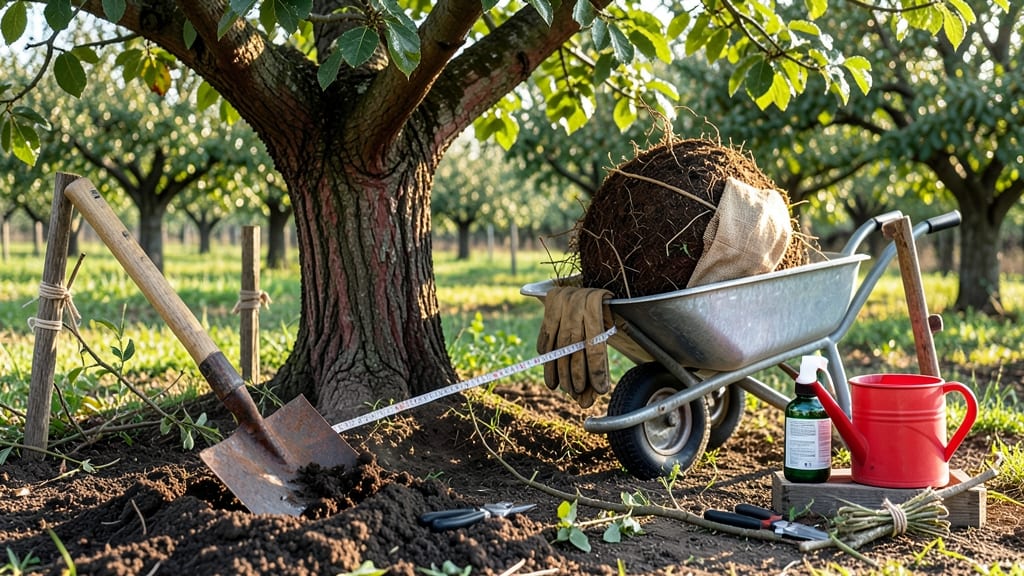
Moving a mature tree without killing it is possible—if you time it right and protect those delicate roots. 🌳 I’ve transplanted two large oaks in my yard, and the secret lies in understanding when to move, how to prep the roots, and what to do in the weeks after.
The difference between a thriving transplant and a sad, wilting stump often comes down to these key steps.
First, you’ll need the right conditions: late fall or early spring when the tree is dormant but not frozen. Before digging, prune the roots in a V-shape around the trunk to encourage new growth, and keep the root ball moist for 2-3 weeks beforehand.
The bigger the root ball, the better the tree’s chance of survival—aim for at least half the tree’s canopy width in diameter.
After moving, stake the tree temporarily to stabilize it, water deeply every 3-4 days for the first month, and avoid fertilizing until new growth appears. A mulch ring around the base helps retain moisture and keeps roots cool.
With patience, your tree can settle in and grow stronger than ever—just like my oaks, now thriving in their new spots.
Not all trees make good candidates—young, healthy specimens with flexible branches transplant best. Avoid stressed trees or those with deep taproots. When done right, relocation can save a beloved tree or expand your landscape without starting from scratch. Let’s get those roots moving safely!
📚 In This Guide
- What you need
- Instructions
- Tips and common mistakes
- Wrapping up and next steps
What you need
- ● Root ball protectors: Burlap or landscape fabric (50–100 sq. ft., depending on tree size) to wrap the root ball.
- ● Shovel or spade: A sharp, heavy-duty mattress shovel (for digging) or a transplant spade (for smaller trees).
- ● Wheelbarrow or dollies: A sturdy wheelbarrow or tree-moving dollies (with straps) to transport the tree.
- ● Pruning shears or saw: For trimming excess roots or branches (sterilized to prevent disease).
- ● Root stimulator: A mycorrhizal inoculant or rooting hormone gel to encourage regrowth.
- ● Watering supplies: Hose with a gentle spray nozzle or a soaker hose for post-move hydration.
- ● Mulch: Organic mulch (wood chips or straw) to retain moisture and protect roots.
- ● Tree strap or sling: For securing the tree during transport (avoid wire or rope—it can damage bark).
- ● Root pruning saw: A bow saw with a fine-tooth blade for precision root trimming.
- ● Soil conditioner: Compost or peat moss to amend the new planting hole.
- ● Staking system: Lightweight stakes and tree ties (if the tree needs temporary support).
- ● GPS or measuring tape: To mark the tree’s original position and new location accurately.
Step-by-step instructions for moving a tree safely
Here's the method I've used to relocate mature trees without stressing their roots.
🪴 Step 1: Prepare the New Location and Dig the Receiving Hole
Choose a new spot with similar sun exposure and soil conditions to the tree's current home. Dig the receiving hole twice as wide as the root ball but only 12-18 inches deep—this prevents root damage from being buried too deeply. The hole should have sloping sides to support the root system when you lower the tree in.
I always test the soil pH in both locations before moving. If the new spot differs significantly, amend the backfill soil with compost to match the original site's fertility. The goal is to minimize transplant shock by replicating the tree's natural growing conditions as closely as possible.
✂️ Step 2: Prune and Protect the Root System
Start by pruning the tree's branches to reduce water loss and stress. Remove 25-30% of the canopy, focusing on smaller branches first. This step is critical—trees with full canopies struggle to establish new roots while supporting all that foliage. I use sharp, sterilized pruners to make clean cuts just outside the branch collar.
Next, mark the root ball's perimeter by tracing a circle around the trunk at the drip line. Dig a trench around this line, working 12-18 inches deep and 6-12 inches away from the trunk, depending on the tree's size. Use a sharp spade or root saw to sever roots cleanly rather than tearing them. This controlled approach preserves the root structure while allowing the tree to be lifted.
💧 Step 3: Lift and Transport the Tree
Place a tarp or burlap under the root ball to create a lifting surface. Gently rock the tree back and forth to loosen the soil while keeping the root ball intact. Lift the tree straight up, supporting the root ball with your hands or a lifting tool. Avoid twisting or tilting the root system—this can cause irreparable damage.
Once lifted, wrap the root ball in the tarp or burlap, securing it tightly with rope or twine. This protects the roots during transport and prevents soil loss. If the tree is large, use a dolly or wheelbarrow to move it carefully to the new location. Keep the root ball elevated to avoid compressing the soil and damaging delicate roots.
🌱 Step 4: Plant and Stabilize the Transplanted Tree
Lower the tree into the receiving hole, ensuring the root flare (where the roots meet the trunk) is level with the surrounding soil. Backfill the hole with the amended soil, tamping it gently to remove air pockets. Avoid compacting the soil too firmly—this can restrict root growth. Leave a 2-3 inch deep basin around the base to help direct water to the roots.
Stake the tree only if necessary—most mature trees don't need support if planted correctly. If staking is required, use 3-4 stakes positioned 12-18 inches from the trunk and tie the tree loosely with soft material (like tree ties or strips of old t-shirt). The goal is to stabilize the tree without restricting movement, which can weaken the trunk over time.
Tips & tricks for root-protective tree relocation
Moving a mature tree successfully comes down to these key details that most people overlook.
Root Ball Integrity: The 12-18 inch depth for your receiving hole is non-negotiable—any deeper risks suffocating the roots. I've seen trees decline when planted too deeply because oxygen can't reach the root system. After planting, gently pat the soil around the edges to create that 2-3 inch water basin, but never compact it like you would for a lawn. Think "fluffy" not "dense."
Seasonal Timing: Spring or early fall offers the best conditions for transplanting, when trees are actively growing but not under extreme stress. Avoid peak summer heat or winter dormancy. If you must move in summer, do it on a cloudy day and water thoroughly before and after the move to compensate for the tree's increased water needs.
Equipment Upgrade: Rent a tree spade for Step 2—it's worth the investment for trees over 3 inches in diameter. These specialized tools make clean cuts through roots without tearing, which is exactly what we want to preserve that root structure. For smaller trees, a sharp root saw works just as well if used carefully. Never use a regular shovel; you'll end up with ragged root edges that heal poorly.
Post-Transplant Care: The first year after moving is critical—water deeply once a week (about 10 gallons for each inch of trunk diameter) during the first growing season. I've found that mulching with 2-3 inches of organic mulch around the base helps retain moisture and regulates soil temperature. Just keep it 6 inches away from the trunk to prevent rot.
Pro Tips for Move A Tree Without Killing It
- Moving a mature tree successfully comes down to these key details that most people overlook.
- Root Ball Integrity: The 12-18 inch depth for your receiving hole is non-negotiable—any deeper risks suffocating the roots.
- Seasonal Timing: Spring or early fall offers the best conditions for transplanting, when trees are actively growing but not under extreme stress.
Frequently asked questions
Got questions about relocating your tree safely? You’re not alone—moving a tree without harming it takes planning! Here are answers to the most common concerns to help you navigate the process with confidence.
When is the best time of year to move a tree?
The ideal window is late fall to early spring (dormant season), when trees aren’t actively growing. For deciduous trees, aim for November through March in temperate climates. Evergreens need extra care—avoid peak winter to prevent root stress. Pro tip: Check your local frost dates for precision!
What if my tree’s roots are too deep or tangled?
Deep or gnarled roots don’t mean the move is impossible! Use a root saw or trencher to carefully sever roots in stages (never cut more than 10–15% of the root ball at once). For stubborn roots, soak the soil 24–48 hours beforehand to loosen it. Warning: Over-pruning roots can kill the tree—patience is key!
Is hiring a professional worth it for large trees?
For trees over 15–20 feet tall or with a trunk diameter >6 inches, pros are a smart investment. They bring heavy machinery (like tree spades or air spades), expertise in root protection, and insurance. DIY works for small trees, but large moves risk root damage or structural failure. Get quotes to compare!
How do I know if my tree will survive the move?
Watch for these signs of stress: wilting leaves, yellowing foliage, or oozing sap post-move. Healthy trees recover in 6–12 months if transplanted correctly. Key indicators: New growth by spring = good! No leaves by summer = intervene fast (e.g., deep watering, mulch).
Can I move a tree to a smaller pot or container?
Yes, but only for young, small trees (under 3–4 feet tall). Use a root-pruning saw to trim roots before potting, and choose a container 2–3x wider than the root ball. Drainage holes and well-draining soil are non-negotiable. Caution: Containerized trees need regular watering and winter protection!
What do I do if my tree’s leaves turn brown after moving?
Brown leaves often signal transplant shock or root damage. Act fast:
- Prune only dead branches (never healthy ones).
- Water deeply 2–3x weekly (check soil moisture 2 inches down).
- Apply mulch (2–4 inches) to retain moisture.
- Avoid fertilizing for 3–6 months—stressed roots can’t absorb nutrients.
Wrapping up and next steps
Moving a tree without harming it is all about preparation, patience, and proper technique—and now you’ve got the know-how! 🌳✨ Whether you’re relocating a prized shade tree or a delicate young sapling, the key lies in protecting its roots, timing your move wisely, and giving it the care it deserves afterward.
With the right tools, a little elbow grease, and a watchful eye, your tree can thrive in its new home.
Ready to take the next step? Start by assessing your tree’s needs—check its health, soil conditions, and sunlight exposure in the new location. Then, mark your calendar for the best transplanting season (early spring or fall) and gather your team. Happy digging—your tree’s future is in your hands! 🌱💪