
Size
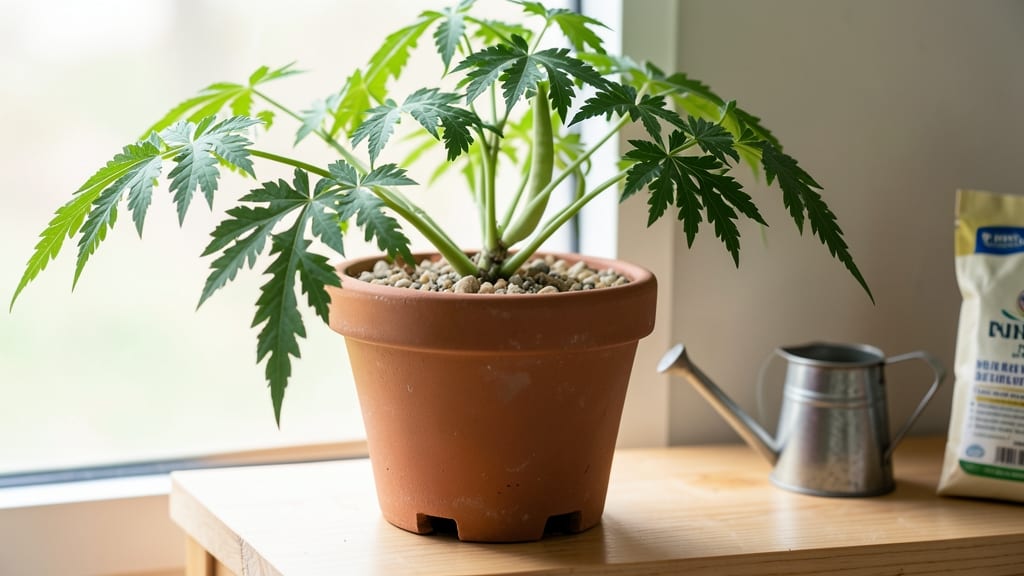
How to grow a moringa tree indoors delivers fast harvests of nutrient-packed leaves in just 6-8 weeks—no yard required. 🌱 I’ve grown mine in a sunny kitchen corner, and the key is mimicking its tropical roots with bright light, well-draining soil, and consistent moisture. The first harvest comes quicker than most herbs, and the plant keeps producing for months with minimal fuss.
The secret lies in a 5-gallon container with drainage holes and a mix of potting soil and perlite (60/40 ratio). Moringa thrives in warmth—keep it above 60°F—and needs 6+ hours of direct sunlight daily (a south-facing window or grow light works).
Water when the top inch feels dry, but avoid soggy soil to prevent root rot. Humidity helps, so a pebble tray or occasional misting keeps leaves lush.
By week 3, you’ll see bright green, feathery leaves ready to harvest—just snip the younger growth for the most nutrients. The plant grows 6-10 feet tall indoors but stays manageable with pruning.
One plant feeds a family for weeks, and the leaves pack 7x more vitamin C than oranges and 4x more calcium than milk.
Common pitfalls? Leggy stems mean weak light, and yellow leaves signal overwatering. Rotate the pot weekly for even growth, and fertilize lightly every 4-6 weeks with diluted fish emulsion. Perfect for apartments, offices, or anyone craving homegrown superfoods year-round.
📚 In This Guide
- What you need
- Instructions
- Tips and common mistakes
- Wrapping up and next steps
What you need
- ● Moringa seeds or cuttings: 3–5 seeds (or a small cutting from a mature plant). Look for organic, non-GMO seeds for best results!
- ● Containers: 2–3 small pots (6–8 inches in diameter) with drainage holes. Use lightweight, breathable materials like terracotta or fabric pots.
- ● Well-draining potting mix: A high-quality, airy blend (e.g., cactus or succulent mix). Avoid heavy garden soil—moringa hates soggy roots! 🚫💦
- ● Grow lights or sunny window: A full-spectrum LED grow light (12–16 hours/day) or a south-facing window (6+ hours of direct sunlight).
- ● Watering can with a narrow spout: For precise, gentle watering (overhead spray can cause fungal issues).
- ● Fertilizer: A balanced, water-soluble fertilizer (5-5-5 or 10-10-10 NPK ratio). Dilute to half-strength for seedlings.
- ● Humidity tray: A shallow tray with pebbles and water to boost moisture levels (moringa loves humidity!).
- ● pH test kit: To monitor soil pH (ideal range: 6.0–7.0). Moringa thrives in slightly acidic to neutral soil.
- ● Pruning shears: Small, sharp scissors for trimming leggy growth or harvesting leaves.
- ● Trellis or stake: If growing taller varieties, a small support (1–2 feet tall) helps keep stems upright.
- ● Organic mulch: A thin layer of coconut coir or straw to retain moisture and regulate temperature.
Step-by-step instructions for growing a moringa tree indoors
Here's how to cultivate this nutrient-packed tree quickly in containers—no greenhouse needed.
🌱 Step 1: Start with Seeds or Young Cuttings
Moringa trees grow fastest from fresh seeds or 3-4 inch cuttings. If using seeds, soak them for 12 hours in warm water to soften the hard outer shell—this speeds germination from 2-3 weeks to just 5-7 days. I like to plant 2-3 seeds per 6-inch pot since germination rates vary.
For cuttings, dip the base in rooting hormone and plant in moist potting mix. Keep the soil consistently damp (not soggy) and cover the pot with a clear plastic bag to maintain 75-85°F humidity. Watch for new growth emerging from the stem's nodes—this confirms successful rooting within 2-3 weeks.
🪴 Step 2: Choose the Right Container and Soil Mix
Use a well-draining potting mix (never garden soil) with 20% perlite or sand to prevent root rot. Moringa trees hate soggy roots but love airy soil. A 10-12 inch diameter pot gives roots room to spread while keeping the tree manageable indoors.
Add a 1-inch layer of gravel at the bottom for drainage, then fill with your mix. Press lightly to remove air pockets—this ensures roots establish quickly. I always add a slow-release fertilizer at planting time for 3-4 months of steady nutrition without overfeeding.
☀️ Step 3: Position for Maximum Light Exposure
Moringa trees need 6-8 hours of bright, direct light daily to grow fast. A south-facing window works, but most homes can't provide enough intensity. I use a full-spectrum LED grow light on a 14-hour timer—keep it 6-12 inches above the plant and adjust as it grows.
You'll know light is sufficient when new leaves appear bright green and compact (not stretched or pale). If leaves yellow or stems elongate, move the plant closer to the light source immediately. Rotate the pot quarter-turn weekly to prevent lopsided growth.
💧 Step 4: Water and Fertilize for Rapid Growth
Water when the top 1-2 inches of soil feel dry—moringa trees tolerate brief dryness better than soggy conditions. I water deeply until it drains from the bottom, then empty the saucer to prevent root rot. During active growth (spring/summer), water every 2-3 days; reduce to once weekly in winter.
Feed with a balanced liquid fertilizer (10-10-10) every 4-6 weeks during growing season. I dilute it to half-strength to avoid burning tender roots. Watch for dark green, glossy leaves—this signals healthy growth. If leaves yellow between veins, it's a sign of overwatering or nutrient deficiency.
✂️ Step 5: Prune and Harvest for Continuous Production
Prune the main stem just above a leaf node when it reaches 18-24 inches to encourage bushier growth. Remove any yellow or damaged leaves immediately—they drain energy from the plant. I harvest young leaves (the most nutritious) by pinching off 1-2 inch tips every 2-3 weeks.
Never take more than 25% of the plant's foliage at once. New growth will appear within 1-2 weeks—this is your signal the tree is thriving. For flowers (which develop into pods), leave some branches unpruned. The pods take 3-4 weeks to mature after flowering.
Tips & tricks for growing moringa trees indoors
Confession: I struggled with leggy, weak moringa plants for months before realizing these key adjustments made all the difference. Here's what actually works for fast, healthy growth.
Germination Hack: The 12-hour soak is non-negotiable for seeds—this softens the tough seed coat and triggers faster germination. But here's what nobody tells you: after soaking, rinse the seeds with lukewarm water and place them between damp paper towels in a sealed container for 24 hours. This mimics tropical conditions and can jumpstart germination by 2-3 days. Keep the towels moist but not dripping.
Light Optimization: That 6-8 hours of direct light requirement is critical, but most indoor setups fall short. I've found the sweet spot is actually 8-10 hours when using grow lights—just extend your timer by 2 hours in the morning. Position your light 8-10 inches above the plant (closer than the instructions suggest) for the first 4 weeks, then gradually increase to 12 inches as the plant grows. Watch for leaves that develop a reddish tint—they're begging for more light!
Root Health Strategy: The 20% perlite/sand mix is perfect, but I've had better results with a 30% perlite mix in the bottom third of the pot. This creates a natural drainage layer that prevents the dreaded root rot while still allowing air circulation. Press the soil firmly after planting—this eliminates air pockets that can cause uneven water distribution and slow root development.
Harvest Timing: Those 1-2 inch leaf tips are your goldmine, but timing matters. I harvest when the third leaf from the tip is fully unfurled but still bright green. If you wait until the leaves are fully mature (dark green with visible veins), you're missing the peak nutrient window. And here's my secret: harvest in the morning after the dew has dried—this gives you the freshest leaves with maximum nutrient retention.
Pro Tips for Grow Moringa Tree Indoors
- Confession: I struggled with leggy, weak moringa plants for months before realizing these key adjustments made all the difference.
- Germination Hack: The 12-hour soak is non-negotiable for seeds—this softens the tough seed coat and triggers faster germination.
- Light Optimization: That 6-8 hours of direct light requirement is critical, but most indoor setups fall short.
Frequently asked questions
Got questions about growing your own moringa indoors? You’re not alone! Here are some of the most common queries—and their answers—to help you nurture a thriving superfood tree in your home.
How long does it take for an indoor moringa tree to grow leaves?
With the right care, your moringa seeds should sprout within 7–14 days. Once sprouted, expect the first true leaves (not the initial seed leaves) to appear in 3–4 weeks. Patience pays off—consistent light and warmth speed up the process!
Can I grow moringa indoors in winter?
Moringa thrives indoors year-round, but winter may require adjustments. Keep your tree near a bright window (south-facing is ideal) or under grow lights for 12–14 hours/day. Avoid drafts, and maintain temperatures above 60°F (15°C) to prevent stress. A heat mat can help if your home runs cool. →
Why are my moringa leaves turning yellow?
Yellowing leaves usually signal overwatering or nutrient deficiency. Let the top inch of soil dry out between waterings, and ensure your pot has drainage holes. If the yellowing is paired with brown edges, it’s likely fluoride in tap water—switch to filtered or distilled water. A balanced liquid fertilizer (like fish emulsion) every 4–6 weeks can also help!
Can I grow moringa from cuttings instead of seeds?
Yes! Moringa cuttings root easily. Take a 4–6 inch (10–15 cm) healthy stem, strip the lower leaves, and dip it in rooting hormone (optional). Plant in moist perlite or sand, cover with a plastic bag to retain humidity, and place in bright, indirect light. Roots typically form in 2–4 weeks. This method is faster than starting from seed!
What’s the best indoor pot size for a moringa tree?
Start with a small pot (6–8 inches wide) for seedlings, then upgrade to 10–12 inches as the tree grows. Moringa has a taproot, so avoid overly wide pots—deep containers (like fabric grow bags) work best. Repot every 6–12 months to prevent root binding, which can stunt growth. Drainage holes are a must to avoid soggy soil!
How often should I harvest moringa leaves indoors?
You can start harvesting young leaves when your plant is 6–12 inches tall. Prune 20–30% of the plant at a time, focusing on the tender new growth. Avoid over-harvesting—wait 4–6 weeks between prunings to let the tree recover. Regular harvesting encourages bushier growth!
Wrapping up and next steps
Growing a moringa tree indoors is a rewarding journey that brings fresh, nutrient-packed leaves right to your kitchen! With the right light, soil, and care, you can enjoy this fast-growing superfood year-round—no yard required.
Start small, stay patient, and soon you’ll be harvesting your own powerhouse greens for smoothies, teas, or salads. 🌱
Ready to take the next step? Plant your seeds today! Share your progress with fellow indoor gardeners or explore creative ways to use your harvest. Happy growing! 🌿