
How To
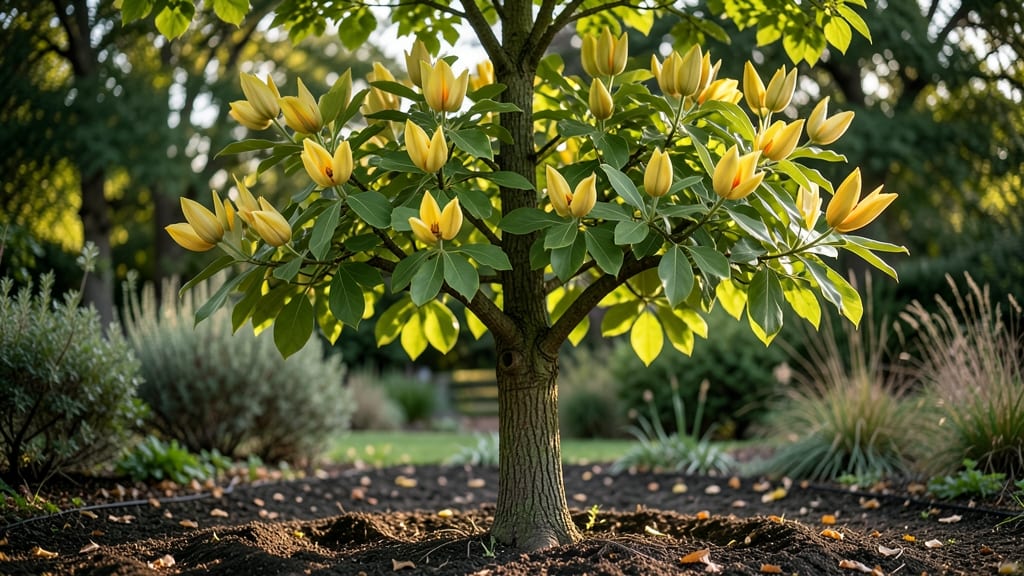
A tulip tree 🌳 can grow 60 to 90 feet tall—taller than most homes—when given the right conditions, making it one of the fastest-growing native trees in North America.
If you’ve ever admired the towering beauty of a tulip tree in full bloom, you’ve likely wondered just how high these majestic giants can reach—especially before deciding whether one belongs in your backyard or landscape design.
In warmer climates like the Southern U.S., these trees can shoot up to 90 feet with ease, while in cooler regions like Zone 6a, they’ll cap out around 60 feet.
The growth rate is impressive too—young trees gain 2 to 3 feet per year under ideal conditions, turning a 5-foot sapling into a towering shade provider in just a few decades.
But before you rush to plant one, there’s more to consider: spacing, sunlight needs, and whether your yard can handle a tree that’ll eventually dwarf your house. Here’s what you need to know to decide if a tulip tree is the right fit for your space.


Tulip tree height by region: average growth limits across u.s. zones
The tulip tree (Liriodendron tulipifera) is one of North America’s fastest-growing native trees, but its mature height varies dramatically depending on your USDA hardiness zone and local growing conditions.
In the southern states (Zones 7-9), these trees often reach 70-90 feet tall, while in northern regions (Zones 4-6), they typically max out around 40-60 feet. Understanding these regional differences helps you plan spacing, sunlight exposure, and even whether this tree fits your landscape.
Climate plays a huge role in height potential. Warmer zones with longer growing seasons and richer soil allow tulip trees to grow taller faster, while cooler northern climates slow their ascent.
Even within the same zone, factors like soil drainage, water availability, and competition from other plants can push a tree toward the higher or lower end of the height spectrum.
Before planting, check your local frost dates and average annual rainfall—tulip trees thrive with 60+ inches of rain yearly but can struggle in drought-prone areas. In urban settings, pollution and compacted soil may limit height, while rural properties with space to spread offer ideal conditions for these giants.
In Zone 9 and warmer, tulip trees often surpass 80 feet when given ideal conditions—think of the towering specimens in Georgia’s forests or Florida’s wetlands. These trees can live for 300+ years, so their height becomes a long-term commitment.
If you’re in Zone 5 or colder, expect slower growth but still impressive heights of 50+ feet over time.
Soil type dramatically affects height potential. Well-draining, slightly acidic soil (pH 5.0-6.5) encourages faster growth, while clay-heavy or waterlogged soil can stunt a tulip tree to half its potential height. Always test your soil before planting—amending with compost or sand can make a noticeable difference in a young tree’s development.
Sunlight exposure is another critical factor. Tulip trees need full sun (6+ hours daily) to reach their maximum height, but they can tolerate partial shade in hotter zones.
In northern climates, where sunlight is less intense, trees may grow more slowly but still achieve impressive heights given enough time and care.
If you’re planting near power lines or structures, consider dwarf alternatives—though tulip trees don’t have true dwarf varieties, pruning young trees can help manage height. Start with crown thinning when the tree reaches 15-20 feet to encourage a fuller, shorter canopy while maintaining structural integrity.
For gardeners in small yards or urban lots, spacing is everything. Plant tulip trees at least 30 feet from structures and 50 feet apart from each other to avoid root competition.
In landscape designs, pair them with understory plants like ferns or hostas to soften their imposing height while creating a layered effect.
Remember, tulip trees are fast growers—you’ll see 3-5 feet of growth annually in ideal conditions. This rapid ascent makes them stunning focal points but requires careful planning. Before planting, sketch your property’s layout and consider how this tree’s mature height will interact with your home, driveway, and neighboring plants.
🌳 Whether you’re in sunny Florida or cool Pennsylvania, the tulip tree’s height potential is part of its allure. With the right site selection and care, you can nurture a tree that will dominate your landscape for generations—just give it space to reach for the sky.
How fast do tulip trees grow? Growth rate timeline from seedling to mature giant
If you’ve planted a tulip tree seedling, you’re likely eager to see how quickly it reaches its majestic 60-90-foot height. These fast-growing giants can add 2-3 feet per year under ideal conditions, but their growth speed depends on several key factors.
Understanding this timeline helps you plan for their eventual size while maximizing their early development.
In their first year, expect your tulip tree sapling to grow between 2-4 feet tall. By year two, growth accelerates to 5-10 feet, and by year three, your tree could already be 10-15 feet high.
These early years are critical for establishing a strong root system, which directly impacts future height gains.
🌱 Tulip Tree Growth Timeline
- Year 1: 2-4 ft | Focus on deep watering and soil prep
- Year 2-3: 5-10 ft | Rapid vertical growth begins
- Year 4-6: 15-30 ft | Full sun exposure critical for height gains
- Year 7-10: 30-50 ft | Mature canopy development
- Year 15+: 60-90 ft | Reaches full height potential
To optimize your tulip tree’s growth rate, prioritize full sun exposure (6+ hours daily) and well-draining soil. These trees thrive in USDA zones 4-9, but their speed varies by region.
Southern climates often see faster growth due to longer growing seasons, while northern plantings may grow more slowly until established.
Regular deep watering (1-2 inches per week) during the first few years encourages root expansion, which fuels faster height gains. Avoid overwatering, as soggy soil can stunt growth. A balanced fertilizer (10-10-10) applied in early spring and late summer provides essential nutrients without overstimulating foliage at the expense of height.
Pruning young tulip trees isn’t typically necessary, but removing dead or crossing branches in early spring promotes better airflow and structural integrity. Avoid heavy pruning, as these trees grow best when allowed to develop their natural shape.
If you’re concerned about future height, consider planting near property lines or in areas where the tree’s mature size won’t be an issue.
With proper care, your tulip tree could reach 30 feet by age 10 and 60+ feet by maturity. Patience is key—these trees take decades to reach their full height, but their rapid early growth makes them a rewarding addition to any landscape.
Start with a well-placed seedling, and you’ll be enjoying shade from a towering giant in no time! 🌳