
Blooming
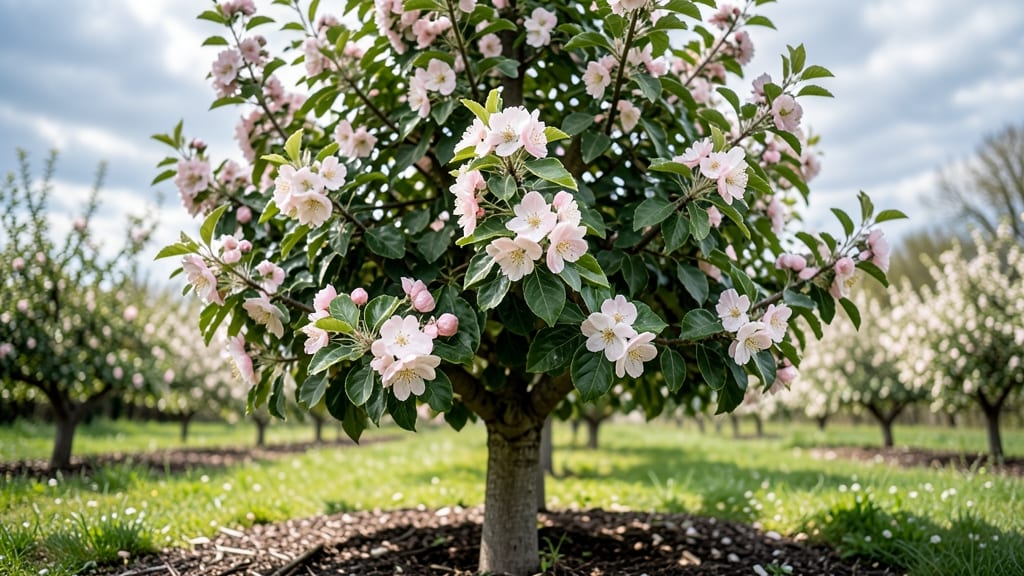
The moment the Fuji apple tree bloom bursts into pink-and-white clouds is the most magical part of growing these trees. 🌸🍎 In my zone 6 garden, those delicate petals appear around mid-April, transforming the tree into a fragrant showstopper—but timing shifts dramatically depending on where you live.
Late frosts can ruin the bloom, so I’ve learned to monitor forecasts and protect young trees with frost cloth. The flowers last about 10 days, and during that window, bees become your best friends—without proper pollination, those blossoms won’t turn into fruit.
I even hand-pollinate a few branches just to be safe.
After the petals fall, the real work begins: pruning to improve airflow, watching for codling moths, and thinning fruit to ensure size. A well-tended Fuji tree rewards you with sweet, crisp apples by late summer—if you play your cards right during bloom season.
This cycle repeats every year, but each region’s climate tweaks the timing. Northern gardeners wait until May, while Southern growers might see blooms as early as March. The key is adapting to your local frost dates and bloom windows.
📚 In This Guide
- What you need
- Instructions
- Tips and common mistakes
- Wrapping up and next steps
What you need
- ● Fuji apple tree sapling (dwarf or standard size, depending on space): Dwarf: 4–6 feet tall (ideal for containers or small yards)
- ● Standard: 10–12 feet tall (for larger landscapes)
- ● High-quality potting soil or garden loam (2–3 cubic yards for in-ground planting; 5–10 gallons for containers)
- ● Organic compost or well-rotted manure (1–2 bags, 40 lbs each, for enriching soil)
- ● Slow-release fertilizer (10-10-10 NPK ratio) (1–2 lbs per tree)
- ● Mulch (wood chips or straw) (2–3 inches, enough to cover the root zone)
- ● Tree stakes (2–4) (if planting a young or tall sapling)
- ● Tree ties or soft garden twine (for securing stakes)
- ● Shovel or spade (for digging planting holes)
- ● Garden trowel (for breaking up soil and adding compost)
- ● Pruning shears (sterilized, for trimming dead branches)
- ● Watering can or hose with nozzle (for gentle watering)
- ● Measuring tape (to ensure proper planting depth)
- ● Gloves (gardening or work gloves) (to protect your hands)
- ● Tree guard or protective fence (to shield from pests or curious critters)
- ● Drip irrigation system (for consistent moisture, especially in dry climates)
- ● Epsom salt (magnesium sulfate) (1 tbsp per gallon of water, for foliar spray if leaves look pale)
- ● Apple tree bloom enhancer (like kelp meal or fish emulsion, 1–2 tbsp per tree)
- ● Bird netting (to protect blossoms from hungry birds during pollination)
How to encourage Fuji apple tree bloom in 3 weeks
Here’s how to coax vibrant blossoms from your Fuji apple tree—no fancy tricks, just smart timing and care.
🌱 Step 1: Prune for Airflow and Light
Start by removing any dead, crossing, or inward-growing branches with clean, sharp pruners. I like to cut just outside the branch collar—this keeps the tree healthy and prevents disease. Open up the center so sunlight and air can reach all the way to the trunk. You’ll see new growth sprout from the sides within a few weeks.
Remove any suckers at the base too—those steal energy from the main tree. Aim to shape the tree like an open vase, with branches spreading outward. This isn’t just about looks; better airflow means fewer fungal issues and more energy for blooming.
☀️ Step 2: Feed with Balanced Fertilizer
Fuji apple trees need a good balance of nitrogen, phosphorus, and potassium to bloom well. I use a 10-10-10 fertilizer (or similar balanced ratio) and spread it evenly around the drip line—about 3-4 feet from the trunk. Lightly scratch it into the top 2-3 inches of soil to avoid burning the roots.
Water the area deeply right after applying the fertilizer. This helps it dissolve and reach the roots faster. Don’t overdo it—too much nitrogen can lead to leafy growth but fewer flowers. You’ll know it’s working when you see fresh, dark green leaves emerging in 2-3 weeks.
💧 Step 3: Water Deeply and Consistently
Apple trees need 1-2 inches of water per week, especially during bloom time. I water deeply 2-3 times a week (depending on rainfall) to encourage strong root growth. Use a soaker hose or drip irrigation to keep the soil moist but not soggy. Wet soil helps buds open, while dry soil can cause them to drop.
Check the soil 2 inches down—if it feels dry, it’s time to water. Mulch around the base with 2-3 inches of organic mulch (like wood chips) to retain moisture and keep roots cool. This step is critical: consistent watering prevents stress, which can delay or reduce blooming.
⏰ Step 4: Protect from Late Frosts
Fuji apple blossoms are sensitive to late frosts—temperatures below 28°F can damage them. I keep an eye on the forecast and cover young buds with frost cloth if frost is predicted. You can also drape a sheet over the tree and secure it with stakes if cloth isn’t available.
Remove the cover as soon as temperatures rise above freezing. The goal is to shield the blossoms without trapping heat. If frost hits, you might see some damaged flowers, but the tree will still produce fruit—just possibly fewer apples. This is where patience pays off: a little protection now means a better harvest later.
🌿 Step 5: Thin Suckers and Monitor for Pests
Keep an eye out for suckers (shoots growing from the base or roots) and remove them as they appear. These compete with the main tree for nutrients. I also check for pests like aphids or mites—they can stress the tree and reduce blooming. Spray with neem oil if you spot any, or use insecticidal soap for a gentle approach.
Healthy foliage means better blooms. If you notice yellowing leaves, it could be a sign of nutrient deficiency or disease. Adjust your care based on what you see—sometimes less is more. By 3 weeks, you should see buds swelling and preparing to open. That’s your sign everything’s on track!
Tips & tricks for perfect Fuji apple tree bloom
Here's what nobody tells you about getting those showstopping blossoms—lessons from years of watching trees bloom (and sometimes fail).
Pruning Precision: When you're shaping your tree in Step 1, focus on removing branches that grow inward or cross each other—they're the main culprits for poor airflow. I've seen trees with perfect pruning still struggle because people miss the suckers at the base. These little shoots might look harmless, but they're basically stealing nutrients meant for your blossoms. Grab those suckers early and you'll notice buds forming faster in those 3 weeks.
Fertilizer Timing: The instructions mention applying 10-10-10 fertilizer around the drip line, but here's the secret: split that application. Use half when you prune (early spring) and save the other half for right before buds swell. This two-step approach prevents nitrogen overload that can lead to leafy growth instead of flowers. I've seen trees go from sparse blooms to full branches just by adjusting this timing.
Frost Protection Strategy: That 28°F threshold in Step 4 is critical, but here's how to be proactive: set up your frost cloth or sheet covers the night BEFORE frost is predicted. Cold air settles, so position your covers to drape over the highest branches first. I've had trees where just the top buds froze because the cover didn't reach low enough. The goal is to create a mini greenhouse effect without trapping too much heat—remove covers immediately when temps rise above freezing.
Watering Wisdom: Those 2-3 inches of water per week in Step 3 are non-negotiable, but here's the trick: water in the morning. This gives the soil time to dry slightly during the day, preventing fungal issues that can stress your tree. I've noticed trees with afternoon watering develop more fungal spots and fewer blooms. And when you check that soil 2 inches down, press firmly—it should feel like a damp sponge, not a soaking rag.
Pro Tips for Fuji Apple Tree Bloom
- Here's what nobody tells you about getting those showstopping blossoms—lessons from years of watching trees bloom (an...
- Pruning Precision: When you're shaping your tree in Step 1, focus on removing branches that grow inward or cross each...
- Fertilizer Timing: The instructions mention applying 10-10-10 fertilizer around the drip line, but here's the secret:...
Frequently asked questions
Got questions about the stunning Fuji apple tree bloom? You’re not alone! Here are answers to the most common queries—from timing tips to troubleshooting tricks—to help you make the most of this fragrant spring spectacle.
When do Fuji apple trees typically bloom?
Fuji apple trees usually bloom in late April to early May in most U.S. growing zones (5–8). However, timing depends on your climate—warmer regions may see blooms as early as March, while cooler areas could delay them until May. Watch for bud swelling and pinkish hues as a sign!
How long does the Fuji apple bloom last?
The bloom itself is short-lived—about 7–10 days—but the show is magical! Peak fragrance and color occur within 3–5 days. To extend the enjoyment, plant companion flowers (like lilacs or roses) nearby to create a longer visual display.
Can I still get apples if my Fuji tree doesn’t bloom?
If your tree skips blooming one year, don’t panic! Fuji trees are resilient. Check for stress factors like poor soil, pests, or extreme weather. With proper care (watering, pruning, and fertilizing), it’ll likely rebound. Some years, trees conserve energy for fruit production instead of blooms.
What should I do if bees aren’t visiting my blooming Fuji tree?
Bees are crucial for pollination! If you notice few visitors, try these fixes:
- Plant bee-friendly flowers (like lavender or sunflowers) nearby.
- Avoid pesticides during bloom season.
- Hand-pollinate by gently shaking branches on calm days.
Will a late frost harm my Fuji apple blooms?
Yes! Fuji blooms are highly frost-sensitive. A late frost (below 28°F) can damage petals and reduce fruit production. Protect your tree by:
- Covering it with frost cloth on cold nights.
- Using overhead sprinklers to create insulation (if temps drop suddenly).
- Choosing frost-hardy Fuji varieties if you’re in a high-risk zone.
Wrapping up and next steps
The Fuji apple tree bloom is a breathtaking spectacle that rewards patience and care with stunning blossoms and future harvests. Whether you’re a seasoned gardener or a beginner, witnessing those delicate pink and white flowers unfurl in just three weeks is incredibly satisfying! 🌸
Now that you’re armed with the right knowledge, take the next step—plant your Fuji apple tree and nurture its growth. Before you know it, you’ll be enjoying the sweet scent of spring and the promise of juicy apples later in the season. Happy gardening!