
Pruning
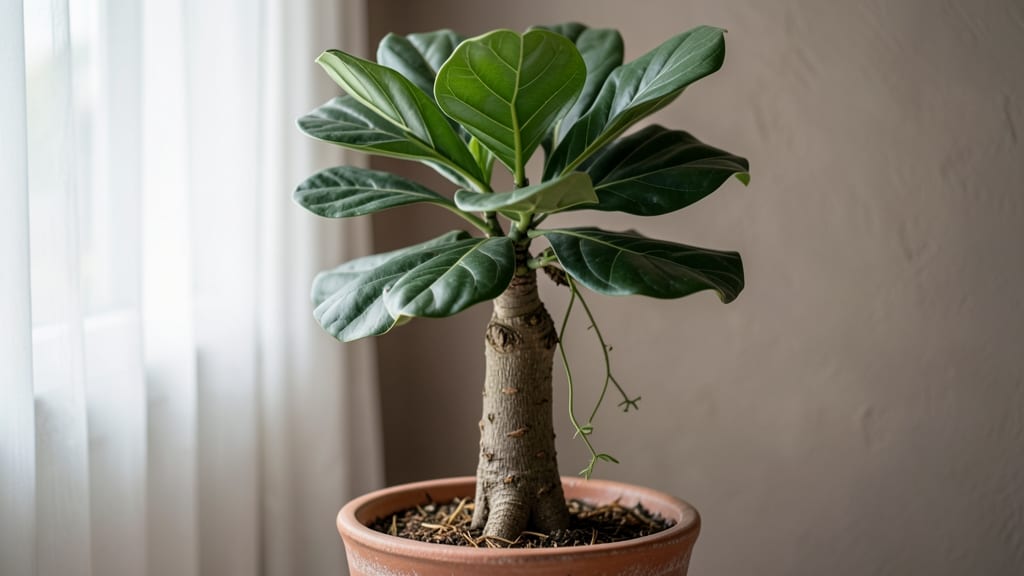
Your ficus tree in a planter can become a statement piece—not just a houseplant, but a living work of art. The secret to keeping it compact and stylish lies in strategic pruning that shapes growth while maintaining its natural elegance.
I’ve turned my own ficus from a leggy mess into a lush, sculpted centerpiece with just a few cuts and the right planter. Start with the right container: glazed ceramic or woven seagrass adds texture while allowing airflow to the roots.
A planter 12–18 inches wide gives the tree room to thrive without overwhelming the space. Place it where it gets bright, indirect light—near a south-facing window or under a patio cover—and watch it grow fuller with each pruning session. The payoff?
A tree that stays proportionate to its planter, with glossy leaves and a shape that complements your decor. Pair it with trailing pothos or air plants to soften the edges, and add a decorative tray to catch the occasional leaf drop.
This isn’t just pruning—it’s designing a living focal point. For outdoor spaces, opt for weather-resistant materials like fiberglass or resin, and move the planter to a shaded spot in summer.
The key is consistency: prune in late winter or early spring, and repeat every 3–4 months to maintain the look you love.
📚 In This Guide
- What you need
- Instructions
- Tips and common mistakes
- Wrapping up and next steps
What you need
- ● Pruning shears – Sharp, bypass-style shears (4–6 inches) for clean cuts.
- ● Hand pruners – For smaller branches (avoid dull blades—they crush stems).
- ● Disinfectant – 70% isopropyl alcohol or rubbing alcohol (1 small bottle) to sterilize tools.
- ● Gloves – Heavy-duty gardening gloves (1 pair) to protect from sap and thorns.
- ● Planter with drainage holes – Ensure it’s at least 12–18 inches deep for mature ficus roots.
- ● Potting mix – Well-draining blend (e.g., cactus/succulent mix + perlite, 5–10 gallons).
- ● Watering can – With a rose attachment for gentle hydration post-pruning.
- ● Rooting hormone – For propagating cuttings (gel or powder form).
- ● Mulch – Organic mulch (e.g., orchid bark) to retain moisture.
- ● Pruning sealant – For large cuts (e.g., tree wound pruning paste).
- ● Grow lights – If indoors with low light (LED full-spectrum, 12–14 hours/day).
- ● Notebook & pen – To sketch your ficus’s shape before/after pruning!
Instructions for pruning a ficus tree in a planter
Pruning your ficus into a manageable shape takes patience and precision—here's how to keep it lush and compact.
Assess the Tree for Pruning Needs
Examine the ficus for overgrowth, leggy branches, or areas where light isn't reaching the lower leaves. Focus on branches that are growing toward the center of the planter or crossing others—these compete for nutrients and block airflow. I like to prune in early spring, just as new growth begins, but you can also do light shaping in summer if needed. Look for branches that are thicker than a pencil; these are the main structural ones that will influence the tree’s shape.
Check the planter’s drainage holes to ensure they’re clear—root-bound ficus trees show signs like yellowing leaves or roots circling the pot. If you see roots growing outward or the soil dries out too quickly, it’s time to repot before pruning. This step ensures your tree stays healthy and responsive to trimming.
Gather Tools and Sanitize
Use sharp, clean pruning shears for cuts larger than a quarter-inch thick, and a pair of bypass pruners for finer branches. Disinfect your tools with rubbing alcohol or a 10% bleach solution to prevent spreading disease between cuts. I always wipe down the blades before and after pruning—it’s a small step that saves a lot of heartache later.
Have a small bucket of water and a few paper towels nearby to clean up sap, which can gum up tools and make them harder to handle. If you’re pruning larger branches, consider wearing gloves to protect your hands from the ficus’s milky sap. This prep keeps your workspace tidy and your tools in top condition.
Make Clean Cuts at the Right Angles
Cut just above a leaf node or bud, making a clean angle about a quarter-inch above it. Avoid leaving stubs, as they can rot or attract pests. For thicker branches, cut in stages: first make an undercut on the underside of the branch, then a top cut slightly outside the undercut to prevent tearing. This technique ensures the branch falls cleanly without damaging the bark.
If you’re shaping the tree, focus on removing branches that grow inward or downward. Aim to create an open, airy structure that allows light to reach all parts of the plant. You’ll notice the tree’s natural growth patterns emerge as you prune—ficus trees respond well to gentle shaping, so don’t be afraid to take your time.
Encourage New Growth with Strategic Pruning
After removing the unwanted branches, look for areas where you want to encourage new growth. Prune just above a leaf node or bud to stimulate branching. For a bushier ficus, you can also pinch back the tips of new shoots in late spring to promote side growth. This step is where your tree’s personality really starts to show—each cut is a chance to guide its shape.
Water the tree thoroughly after pruning to help it recover and reduce stress. Place the planter in a spot with bright, indirect light for a few days to give the tree time to adjust. You’ll see new leaves beginning to form within a few weeks, signaling that the pruning was successful. Keep an eye on the tree over the next month to ensure it’s adapting well.
Maintain the Shape with Regular Trims
Lightly prune your ficus every 4-6 weeks during the growing season to maintain its shape. Focus on removing any new branches that are growing in unwanted directions or becoming too leggy. This ongoing care keeps the tree compact and prevents it from becoming unruly. I like to do a quick check every time I water the tree—it’s a great habit to stay on top of things.
If your ficus starts to outgrow its planter, consider repotting it into a slightly larger container with fresh potting mix. This refreshes the roots and gives the tree more room to thrive. With consistent pruning and care, your ficus will stay lush, compact, and full of life for years to come.
Tips & tricks for pruning a compact ficus tree
Here's what nobody tells you about keeping your ficus lush and manageable—these tricks make all the difference between a scraggly mess and a thriving houseplant.
Timing is Everything: Early spring is ideal for pruning because it coincides with new growth, giving your ficus the best chance to recover and flourish. If you must prune in summer, do it on a cloudy day to reduce stress from direct sunlight. I've learned this the hard way—pruning in hot summer afternoons can shock the tree and lead to leaf drop.
Clean Cuts Prevent Problems: Always sterilize your tools between cuts, especially if you're working with multiple branches. The milky sap from ficus trees can harbor bacteria, so wiping down blades with rubbing alcohol after each cut prevents infections. I keep a small spray bottle of diluted bleach solution nearby for quick sanitizing—it's a game-changer for maintaining healthy growth.
Shape with Purpose: When pruning, visualize the tree's natural growth pattern. Remove branches that grow inward or downward to create an open structure that allows air circulation and light penetration. Think of it like sculpting—each cut should serve a purpose in shaping the tree's final form. I like to step back occasionally to assess the overall shape, as it's easy to get too focused on individual branches.
Post-Pruning Care Matters: After finishing your pruning, water the tree thoroughly and place it in bright, indirect light for a few days to help it recover. This recovery period is crucial for new growth to emerge. I've noticed that trees pruned in early spring often show new leaves within 2-3 weeks, but summer pruning may take slightly longer—patience is key during this phase.
Pro Tips for Ficus Tree In Planter
- Here's what nobody tells you about keeping your ficus lush and manageable—these tricks make all the difference between a scraggly mess and a thriving houseplant.
- Timing is Everything: Early spring is ideal for pruning because it coincides with new growth, giving your ficus the best chance to recover and flourish.
- Clean Cuts Prevent Problems: Always sterilize your tools between cuts, especially if you're working with multiple branches.
Frequently asked questions
Got questions about growing a ficus tree in a planter? You’re not alone! Here are some of the most common concerns—and their answers—to help you keep your tree thriving in its compact space.
How often should I prune my ficus tree in a planter?
Prune your ficus lightly every 3–6 months to encourage bushier growth. For planter-grown trees, focus on shaping in spring or early summer when new growth is active. Avoid heavy pruning in fall/winter, as it can stress the tree. Use clean, sharp tools to prevent disease!
Can I keep a ficus tree small forever in a planter?
Yes, but it requires consistent pruning and root management. Repot every 2–3 years to refresh soil and trim roots if the tree outgrows its container. Choose a planter 10–12 inches larger in diameter than the root ball for gradual growth. Patience is key—compact growth takes time!
Why are the leaves yellowing or dropping on my ficus in a planter?
Yellow leaves often signal overwatering, underwatering, or poor drainage. Check the soil—it should be slightly dry 1–2 inches down. Ensure the planter has drainage holes and use well-draining soil. Lower leaves dropping? It’s normal aging, but new leaves yellowing may indicate nutrient deficiency (try a balanced fertilizer).
What’s the best alternative to a ficus for a small planter?
If ficus isn’t your style, try these low-maintenance planter-friendly trees:
- Dwarf Schefflera: Compact, glossy leaves, and thrives in bright indirect light.
- Jade Plant: Succulent-like, drought-tolerant, and great for small spaces.
- Olive Tree: Slow-growing, hardy, and loves containers.
- Bonsai Elm: Perfect for pruning practice and intricate designs.
Pro Tip: How do I clean pruning tools to prevent disease?
After pruning, sterilize your tools with:
- Rubbing alcohol (70%+)
- Bleach solution (1 part bleach to 9 parts water, rinse well)
- Heat (passing over a flame for metal tools)
Wrapping up and next steps
Growing a ficus tree in a planter is a rewarding experience—especially when you master pruning to keep it lush and compact! 🌿 With the right tools, timing, and techniques, you can shape your tree while encouraging healthy growth.
Remember, patience and consistency are key, so don’t hesitate to experiment and adjust as you go.
Ready to take the next step? Start small—try pruning just one branch at a time to build confidence. Then, gradually expand your skills to maintain that perfect, space-saving form. Your ficus will thank you with vibrant leaves and a thriving presence!