
Pruning
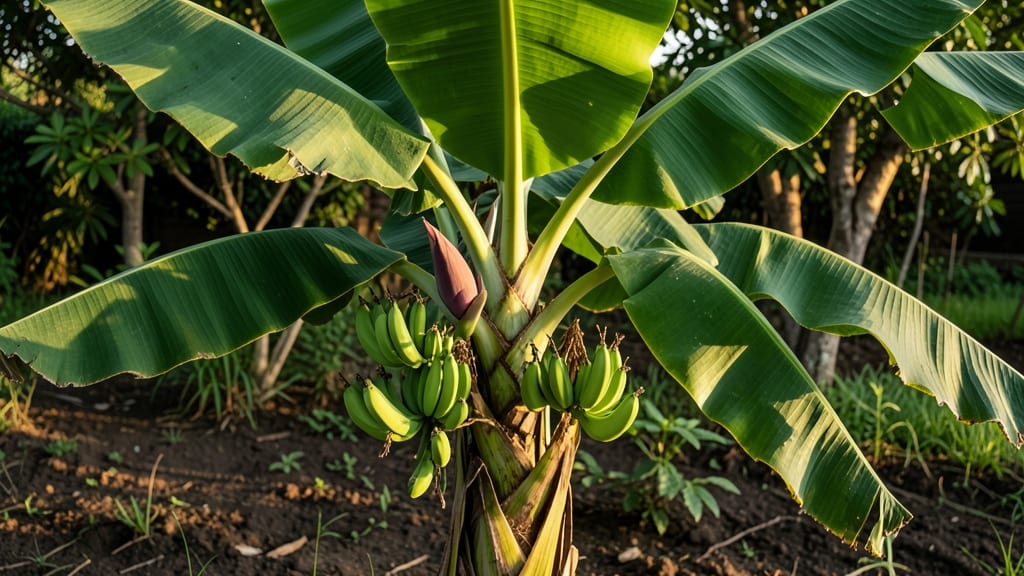
Planting a banana tree in your yard isn't just about growing fruit—it's about creating a lush tropical oasis that transforms your outdoor space into a year-round retreat. 🌿 I've watched mine go from a 3-foot sapling to a 12-foot privacy screen in just three seasons, and the difference in curb appeal is night and day.
The secret lies in choosing the right variety for your climate—dwarf 'Dwarf Cavendish' stays under 10 feet, while 'Ice Cream' can reach 20 feet. Place it near patios or along property lines where its broad leaves create instant shade and windbreaks.
Just remember: these aren't cold-hardy plants, so mulch heavily in winter and bring potted varieties indoors before frost. By year three, you'll have a dense, vibrant screen that blocks noise and neighbors while adding exotic beauty.
The large, glossy leaves create dramatic texture, and even if you never get fruit, the visual impact alone makes it worth it. Works for both small yards (dwarf varieties) and large landscapes (full-size trees). Here's how to make it thrive where you live!
📚 In This Guide
- What you need
- Instructions
- Tips and common mistakes
- Wrapping up and next steps
What you need
- ● Banana tree plant: 1-2 mature or young banana trees (dwarf varieties like Musa acuminata or Musa balbisiana work best for small yards). Check local nurseries for cold-hardy varieties if you’re in a cooler climate.
- ● Well-draining soil: 5-10 cubic yards of a mix of topsoil, compost, and perlite (ratio: 60% topsoil, 30% compost, 10% perlite). Banana trees hate soggy roots!
- ● Organic mulch: 2-3 bags of wood chips or straw (3-4 inches thick) to retain moisture and regulate soil temperature.
- ● Fertilizer: 1 bag of balanced organic fertilizer (10-10-10 or 8-3-9) and 1 bag of potassium-rich fertilizer (like banana tree-specific fertilizer) for flowering/fruiting.
- ● Watering supplies: Garden hose with adjustable nozzle (or a drip irrigation system for efficiency).
- ● Water storage container (5+ gallons) for deep watering sessions.
- ○ Support structure (optional but helpful): 3-5 bamboo stakes or wooden posts (6 feet tall) + twine or plant ties to secure the tree as it grows.
- ● Soil pH tester: Ensure your soil is slightly acidic (pH 6.0-7.5). Banana trees prefer a neutral to mildly acidic environment.
- ● Pruning tools: Bypass pruners (for small branches).
- ● Loppers (for thicker stems).
- ● Sterilizing solution (rubbing alcohol or bleach) to clean tools between cuts.
- ● Frost protection: Frost cloth or row covers (if you live in a cooler zone). Banana trees are tropical and cannot tolerate frost!
- ● Pest control: Neem oil or insecticidal soap (to deter aphids, spider mites, or fruit flies).
- ● Decorative elements: Solar-powered yard lights or colorful pots to enhance your tropical vibe!
Step-by-Step instructions for planting a banana tree as a privacy screen
Here's how to grow a lush, fast-growing tropical screen that delivers privacy in just three seasons.
🌱 Step 1: Select and Prepare the Planting Site
Banana trees thrive in full sun—choose a spot that gets at least 6-8 hours of direct sunlight daily. The ground should slope slightly for drainage, as soggy roots invite fungal diseases. I always test soil pH first (aim for 6.0-7.5) using a simple kit from the garden center.
Mark the planting area with stakes to visualize your future screen. For 4 plants spaced 8-10 feet apart, you'll need about 30-40 feet of space. Clear all weeds and grass within a 3-foot radius of each planting spot—banana trees hate competition for nutrients.
🪴 Step 2: Dig Holes and Amend the Soil
Dig holes twice as wide as the root ball and 6-8 inches deeper than the container. This gives roots room to establish without circling. I mix the native soil with compost or aged manure (about 1/3 compost to 2/3 soil) to improve fertility. For heavy clay soil, add 1-2 inches of coarse sand to the bottom of each hole.
Place a handful of slow-release fertilizer (10-10-10 ratio) at the bottom of each hole. This gives your banana trees a nutrient boost as they establish. Gently loosen the root ball of your nursery plant by pressing along the container edges before removing it—this prevents root damage when you plant.
☀️ Step 3: Plant and Water Thoroughly
Set the banana tree in the hole so the top of the root ball sits 1-2 inches below soil level. This prevents the stem from rotting as it grows. Fill the hole with your amended soil mixture, pressing lightly to remove air pockets. Water immediately with 5 gallons of water per plant to settle the soil and eliminate air gaps.
Mulch around the base with 2-3 inches of organic mulch (wood chips or straw), keeping it 6 inches away from the trunk. This conserves moisture and regulates soil temperature. Watch for water pooling after rain—banana trees hate wet feet, so improve drainage if needed by adding more sand or creating a slight mound.
🌿 Step 4: Provide Ongoing Care for Rapid Growth
Water deeply 2-3 times per week during the first growing season, ensuring moisture reaches 12 inches deep. You'll know it's enough when water drains from the bottom of the hole. After establishment, water once a week unless there's no rainfall for 10+ days. Banana trees are heavy feeders, so fertilize every 2 months with a balanced fertilizer during the growing season.
Prune only to remove dead or damaged leaves. Never cut the pseudostem (the thick, false trunk)—this is where new growth emerges. In colder climates, protect young plants with burlap wraps or frost cloth when temperatures drop below 30°F. You'll see new leaves unfurling within 4-6 weeks—that's your sign the tree is thriving.
⏰ Step 5: Maintain for Maximum Privacy Impact
After the first year, your banana trees will grow 8-10 feet tall. Stake young plants if they lean, using 3-foot bamboo stakes tied loosely with soft twine. This prevents wind damage without restricting growth. In the second year, you'll see the screen fill in—prune only to shape, cutting back any fronds that block sunlight from reaching the center of the plant.
By year three, your 4-plant screen will reach 15-20 feet tall, providing full privacy. Watch for banana flowers (the iconic "hand" shape) in spring—they're edible and a fun bonus! If you notice yellowing leaves, it's usually a sign of overwatering or nutrient deficiency. Adjust your care routine accordingly for a lush, tropical privacy screen that lasts for years.
Tips & tricks for perfect banana tree privacy screens
Here's what nobody tells you about growing banana trees that actually deliver on that tropical privacy promise.
Sunlight Strategy: Those 6-8 hours of sunlight aren't just a recommendation—they're non-negotiable for banana trees. I've seen them struggle in partial shade, growing slowly with sparse leaves. If your yard has areas with less sun, consider using dwarf banana varieties like 'Dwarf Cavendish' that tolerate slightly less light, but still aim for at least 5 hours daily. The more sun, the faster your privacy screen will grow and the more vibrant the leaves will be.
Soil Preparation Secret: When mixing your 1/3 compost to 2/3 soil ratio in Step 2, don't skimp on the compost. I've found that adding a handful of worm castings to each hole gives an extra boost of beneficial microbes that help roots establish faster. For clay-heavy soils, mix in perlite instead of just sand—it improves drainage while adding aeration that banana roots love.
Watering Wisdom: That 5 gallons per plant immediately after planting is crucial, but what happens after? I've learned the hard way that banana trees need consistently moist soil, not soggy soil. The 12-inch deep watering in Step 4 should leave the soil damp but not waterlogged. A simple test: stick your finger in the soil—if the top 2 inches are dry, it's time to water again. Overwatering is the #1 reason banana trees develop root rot.
Frost Protection Hack: For those below 30°F nights, I've had success with a DIY solution that's cheaper than frost cloth: fill old milk jugs with water and place them near the base of each plant. As they freeze overnight, they release heat that protects the roots. Just remove them during the day when temperatures rise. This works especially well for young plants still establishing their root systems.
Pro Tips for Banana Tree In Yard
- Here's what nobody tells you about growing banana trees that actually deliver on that tropical privacy promise.
- Sunlight Strategy: Those 6-8 hours of sunlight aren't just a recommendation—they're non-negotiable for banana trees. ...
- Soil Preparation Secret: When mixing your 1/3 compost to 2/3 soil ratio in Step 2, don't skimp on the compost. I've f...
Frequently asked questions
Got questions about growing a banana tree in your yard? You’re not alone—here are some of the most common concerns and quick answers to get you started on your tropical privacy screen!
How long does it take for a banana tree to grow tall enough for privacy?
A mature banana tree can reach 15–25 feet tall in 3–5 years with ideal conditions (full sun, rich soil, and regular watering). For faster growth, choose dwarf varieties like Musa basjoo, which can provide partial privacy in 2–3 years.
Can I grow a banana tree in a pot or do I need to plant it in the ground?
Yes! Banana trees thrive in large containers (at least 18–24 inches wide) if you live in a cooler climate or lack yard space. Use a well-draining potting mix and repot every 2–3 years. Just know: container-grown trees may not grow as large as in-ground plants.
Will a banana tree survive winter in my yard?
Most banana trees are tropical/subtropical and die back in frost (<30°F). However, Musa basjoo (hardy banana) can tolerate temps down to 10–15°F with mulch and winter protection. In colder zones, grow it in a pot and move it indoors or cover it with burlap.
What pests or diseases should I watch for in my banana tree?
Common issues include:
- Banana aphids: Suck sap and spread viruses. Spray with soapy water or neem oil.
- Sigatoka leaf spot: Fungal disease causing brown spots. Prune infected leaves and use copper fungicide.
- Root rot: Overwatering or poor drainage. Ensure well-draining soil and avoid soggy conditions.
Regularly inspect leaves and stems for early signs!
Can I prune a banana tree to encourage bushier growth?
Yes! Prune dead or yellow leaves to redirect energy to new growth. For a fuller look, trim back 1/3 of the oldest fronds in early spring. Avoid heavy pruning—banana trees grow from the center, so balance is key!
Pro Tip:
Need a quick privacy boost? Plant banana trees alongside fast-growing shrubs like bamboo or ornamental grasses for a layered, lush screen in under 2 years!
Wrapping up and next steps
Growing a banana tree in your yard isn’t just about adding a stunning tropical touch—it’s a rewarding project that delivers privacy, beauty, and even fruit in just three years! With the right soil, sunlight, and care, you’ll transform your outdoor space into a lush, green oasis. 🌿✨
Ready to take the next step? Start by selecting your banana tree variety, gathering your tools, and planting with confidence. Watch your yard thrive as this fast-growing plant becomes the star of your landscape!