
Light Requirements
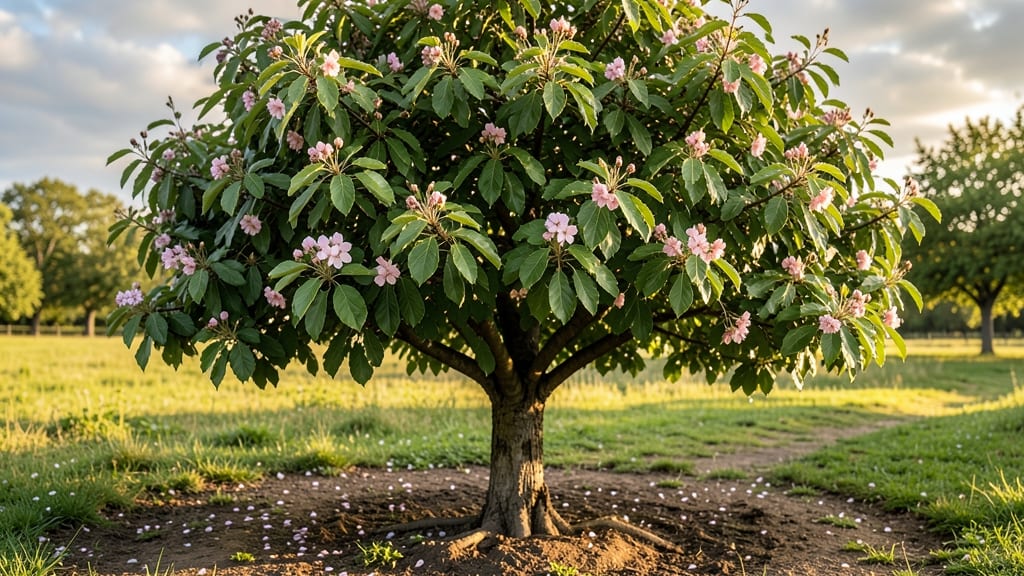
The cherry tree sun requirements demand full sun exposure—at least 6 to 8 hours daily—to produce sweet, juicy fruit 🍒, but many gardeners miss the mark on exactly how much light they need.
Did you know that too little sun can turn your cherry tree into a leafy bush instead of a fruit-bearing powerhouse? Understanding the exact sunlight needs of cherry trees is the difference between a disappointing harvest and a bountiful crop.
Sweet cherries, like the classic Bing or Rainier, demand the most light, while sour varieties like Montmorency can tolerate slightly less—but even they struggle below 6 hours. Young trees need extra care, while mature ones can handle partial shade if the rest of the day is sunny.
In this guide, I’ll break down the ideal sunlight hours for each type, how to tell if your tree is getting enough, and simple fixes to boost fruit production—no guesswork required.


How many sunlight hours do cherry trees need for optimal fruit production?
Cherry trees are sun-worshippers, and their fruit production hinges on receiving the right amount of direct sunlight. While most varieties thrive in full sun, the exact hours needed can vary based on whether you're growing sweet cherries or sour cherries.
Understanding these differences—and how sunlight changes with the seasons—will help you maximize your harvest. Let’s break down the science behind cherry tree sunlight requirements so you can give your tree the best possible growing conditions.
For optimal fruit set and growth, cherry trees generally need 6 to 8 hours of direct sunlight daily. However, sweet cherries (like 'Bing' or 'Rainier') are particularly demanding, often requiring 8+ hours of full sun to produce high-quality fruit.
In contrast, sour cherries (such as 'Montmorency') can tolerate slightly less sun—around 6 to 7 hours daily—though they’ll still produce better fruit with more light.
The key difference lies in how these varieties allocate energy: sweet cherries prioritize fruit development, while sour cherries are more adaptable to varying light conditions.
Seasonal variations also play a critical role. In spring and summer, cherry trees need maximum sunlight to fuel flowering and fruiting. However, during late summer and early fall, they can handle slightly less intense light as they prepare for dormancy.
If your tree is in a partial shade location, such as near taller trees or buildings, you may see reduced fruit production or smaller cherries. This is because partial shade can lead to poor pollination and weaker fruit development.
Measuring sunlight exposure accurately is easier than you think. Use a sunlight tracker or a simple sunlight journal to record how many hours your garden receives direct sunlight each day.
Place a white board or piece of cardboard in your planting spot for a few hours—if it casts a shadow, that’s direct sunlight. For optimal cherry tree placement, aim for a south-facing location in the Northern Hemisphere, where sunlight is most intense.
If your yard lacks full sun, consider pruning nearby trees or relocating your tree to a sunnier spot.
| Variety | Sunlight Needs | Seasonal Adjustments | Critical Threshold |
|---|---|---|---|
| Sweet Cherries (e.g., Bing, Rainier) | 8+ hours daily | Spring/Summer: Full sun; Fall: 6-7 hours | <6 hours = poor fruit set |
| Sour Cherries (e.g., Montmorency, Morello) | 6-7 hours daily | Spring/Summer: Full sun; Fall: 5-6 hours | <5 hours = stunted growth |
| Dwarf Varieties (e.g., Stella, Lapins) | 6-7 hours daily | Year-round: 6+ hours for best fruit | <5 hours = minimal fruiting |
| Young Trees (<3 years old) | 6-8 hours daily | Spring/Summer: Full sun; Winter: 4-5 hours | <4 hours = weak root growth |
| Mature Trees (>5 years old) | 8+ hours daily | Spring/Summer: Full sun; Fall: 6-7 hours | <7 hours = reduced yield |
Young cherry trees, especially those under 3 years old, are more flexible with sunlight but still need at least 6 hours daily to establish strong roots and branches.
If you’re planting a new cherry tree, choose a location where it can grow without competition from other plants or structures. Mature trees, on the other hand, demand 8+ hours of sunlight to maintain high fruit production.
If your tree is already established but struggling, consider pruning nearby foliage or even relocating it to a sunnier spot if possible.
Another critical factor is soil and sunlight interaction. Well-draining, fertile soil combined with full sun helps cherry trees absorb nutrients efficiently, leading to healthier growth and better fruit development. If your soil is clay-heavy or poorly draining, even the right amount of sunlight won’t compensate for root stress.
Amend the soil with compost or organic matter to improve drainage and nutrient uptake, especially if your tree is in a partial shade location.
If you’re in a cooler climate (USDA Zones 4-6), cherry trees benefit from extended sunlight exposure to ripen fruit fully. In contrast,
Signs your cherry tree isn’t getting enough sun (and how to fix it)
If your cherry tree is producing more leaves than fruit, it’s likely fighting for sunlight. Sunlight deprivation weakens tree structure, reduces flowering, and leads to poor-quality cherries. Even mature trees can show distress when their sunlight hours drop below 6 hours daily.
Recognizing these signs early can save your harvest before the season ends.
One of the first clues is pale or yellowing leaves, especially on the lower branches. Unlike healthy cherry tree foliage, which glows deep green, sun-starved leaves often appear lighter green or chlorotic.
This happens because the tree can’t produce enough chlorophyll without sufficient light. Check both sides of the tree—shaded areas will show the most discoloration.
🌱
⚠️ Critical Sunlight Thresholds for Cherry Trees
Sweet cherries: Need 8+ hours of direct sun for fruit development. Below 6 hours, flowering and fruit set plummet.
Sour cherries: Tolerate 6-7 hours but thrive with 8+ hours. Fruit quality suffers with less light.
🌿 Fix it: Thin surrounding vegetation immediately to restore 6+ hours of sunlight.
Another red flag is stunted growth or branches growing only upward. Healthy cherry trees develop outward branches to capture sunlight, but sun-deprived trees grow tall and spindly.
This "reaching" habit wastes energy and weakens the tree’s structure. Look for thin, weak branches with sparse foliage—these are classic signs of light starvation.
Poor fruit development is the most heartbreaking symptom. Even if flowers bloom, cherries may stay small, fail to ripen, or drop prematurely. The tree might produce a few cherries, but they’ll lack sweetness, color, and size.
In extreme cases, you might see no fruit at all despite abundant blooms. This happens because photosynthesis—the process that fuels fruit growth—requires direct sunlight.
To fix these issues without transplanting, start by pruning nearby trees or structures blocking sunlight. Focus on removing branches from the south and west sides of your cherry tree, as these receive the most intense light.
If your tree is surrounded by other plants, consider selective thinning to create a sunlight corridor. For young trees, you can also temporarily stake branches outward to encourage better light exposure.
For immediate results, try reflective surfaces like white plastic sheeting or mirrors placed near the tree’s base. These bounce extra light onto the foliage, mimicking a sunnier environment. Combine this with regular pruning to open up the canopy and let light penetrate deeper.
With these adjustments, you’ll see improved leaf color, stronger branches, and—most importantly—better fruit production next season.
☀️